Source Hybrid Insulation Crepe Paper for Transformers and Motors
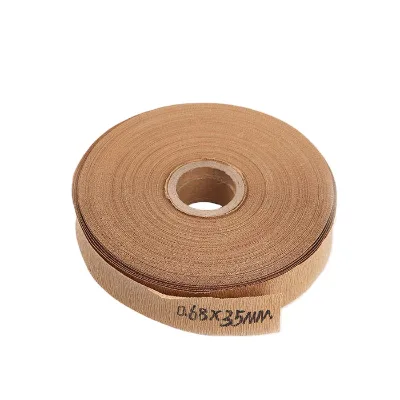
Find hybrid insulation crepe paper options for transformer and motor applications. Compare 28 listings from suppliers in China, including brands like Newdesen and Zhufeng, to identify suitable organic and inorganic materials for your industrial needs; compare the available evidence and request quotations based on your requirements.
Key considerations
Products List


Comprehensive Sourcing Guide
Hybrid Insulation Crepe Paper Sourcing Guide
Procuring hybrid insulation crepe paper requires distinguishing between organic and inorganic material compositions, as the supply chain offers distinct product families with different performance profiles. Buyers must verify whether the specific listing refers to organic insulation paper with a thermal rating of E 120 or inorganic materials classified under different chemical standards. This distinction is critical because the hybrid category often implies a blend of properties, yet the observed market data shows clear separations between organic crepe paper and inorganic insulation materials, necessitating precise specification alignment before engagement.
The commercial landscape for this material spans multiple origins, including Shandong, Tianjin, and Henan, each potentially offering different production capabilities and logistical advantages. While some listings indicate a thermal rating of F 155 or A 105, others specify maximum voltages ranging from under 10KV to over 100KV, reflecting the diverse application requirements of transformers and motors. Sourcing teams must carefully map these technical attributes to their specific project needs, ensuring that the selected crepe paper matches the exact voltage and thermal constraints of the intended electrical assembly.
Product Scope and Observed Listing Signals
The observed product listings reveal a wide spectrum of insulation types, ranging from standard crepe paper to specialized hybrid insulation materials designed for motor and transformer applications. Buyers should note that while some products are explicitly labeled as organic insulation, others are classified as inorganic or hybrid, indicating a need to scrutinize the chemistry attribute closely. The presence of specific model numbers like KLY-CP and KLY-ZWZG suggests that manufacturers offer tailored solutions, but the "hybrid" designation in the search context may require clarification to ensure the material meets the intended electrical and mechanical performance criteria.
Listing signals also indicate variations in physical attributes such as color, which ranges from brown and yellow to generic color descriptions, and packaging formats including cartons, wooden cases, and pallets. These physical differences often correlate with the intended end-use, where universal suitability or specific decoration styles might appear in stationery kits rather than industrial insulation contexts. Procurement professionals must filter out non-industrial listings, such as those marked for decoration or stationery, to focus exclusively on products with verified applications in high-voltage electrical systems and motor insulation.
Technical Specifications to Verify
Technical verification must begin with the thermal rating, as the market data presents conflicting values including E 120, F 155, and A 105, which dictate the maximum operating temperature of the insulation system. Buyers need to confirm which thermal class applies to the specific hybrid crepe paper being sourced, as exceeding these limits can lead to premature failure in transformers or motors. The distinction between organic and inorganic chemistry further influences thermal stability, requiring that the selected material aligns with the specific thermal stress conditions of the equipment it will protect.
Voltage tolerance and physical dimensions are equally critical parameters that vary significantly across the observed product range, with maximum voltages spanning from less than 10KV up to 100KV. Specifications such as thickness, indicated by ranges like 0.05 to 0.13mm, and the classification of the material as either organic, inorganic, or hybrid must be validated against the electrical design requirements. Additionally, the application scope, which includes transformers, motors, and insulation sleeving, must be explicitly confirmed to ensure the crepe paper possesses the necessary dielectric strength and mechanical durability for the specific component.
Compliance and Safety Documentation
Compliance verification should prioritize the presence of ISO9001 certification, which is explicitly noted in the supply data for certain brands like Zhufeng and Kangliyuan. This certification indicates a baseline level of quality management system adherence, which is essential for maintaining consistency in insulation paper production. However, buyers must not assume that all listed products automatically possess this certification or that it covers specific electrical safety standards without direct confirmation from the supplier, as the provided data does not guarantee universal compliance across all model numbers.
Safety documentation must also address the specific chemical classification of the insulation material, whether it is organic, inorganic, or hybrid, as this impacts handling and disposal procedures. While some listings mention customizable standards, the absence of explicit references to international electrical standards like IEC 60641 or IEC 60243 in the high-confidence facts means buyers cannot rely on implied compliance. Procurement teams should request specific test reports and material safety data sheets to verify that the hybrid insulation crepe paper meets the necessary safety requirements for the intended electrical environment.
Cost Drivers and Commercial Terms
Cost structures for hybrid insulation crepe paper are influenced by the complexity of the material chemistry and the specific thermal or voltage ratings required. Products with higher thermal ratings, such as F 155, or those designed for higher voltage applications up to 100KV, typically command different pricing tiers compared to standard organic crepe paper rated at E 120. Buyers should anticipate that customization options, which are available across the supply base, will introduce variable costs that depend on the extent of the modification required for the specific model or application.
Commercial terms vary significantly regarding minimum order quantities and packaging, with observed MOQs ranging from 1 to 1000 units and packaging options including cartons, wooden cases, and pallets. The origin of the product, whether from Shandong, Tianjin, or Henan, can also impact logistics costs and lead times, necessitating a detailed review of the supply chain for each potential supplier. Procurement strategies should account for these variables by negotiating terms that align with the project timeline and budget, ensuring that the total cost of ownership reflects both the unit price and the associated logistical expenses.
Supplier Qualification and Quality Control
Supplier qualification should focus on verifying the brand reputation and the specific origin of the manufacturing facility, as the data highlights key players like Zhufeng, Kangliyuan, and Newdesen operating in different Chinese provinces. Buyers must confirm that the supplier has the capability to produce the specific hybrid insulation material required, as the market contains distinct product lines for organic and inorganic applications. The presence of a brand name does not automatically guarantee quality; therefore, due diligence must include checking the supplier's track record in delivering consistent insulation paper for transformer and motor applications.
Quality control processes must be validated through the supplier's adherence to their stated standards, which may include customizable specifications or fixed ranges like 0.05 to 0.13mm thickness. Since the data indicates that some products are classified as hybrid insulation materials, buyers should request evidence of internal quality checks that verify the chemical composition and physical integrity of the crepe paper. Establishing a clear quality agreement that defines acceptance criteria for thermal rating, voltage withstand, and mechanical strength is essential to mitigate the risk of receiving non-conforming materials.
Long-Term Procurement Checks
Long-term procurement strategies should include regular audits of the supplier's ability to maintain consistent product specifications, particularly regarding the thermal rating and chemical classification of the insulation paper. As the market offers a mix of organic, inorganic, and hybrid materials, it is crucial to ensure that the supplier does not inadvertently substitute materials that do not meet the original design requirements. Continuous monitoring of the supply chain helps prevent disruptions caused by changes in raw material availability or shifts in production capabilities that could affect the performance of the insulation system.
Buyers must also establish a mechanism for periodic re-verification of compliance and safety documentation to ensure ongoing adherence to relevant standards and certifications. Given the variability in product origins and the potential for customization, maintaining a robust relationship with the supplier is key to securing a stable supply of high-quality hybrid insulation crepe paper. Regular performance reviews and feedback loops will help identify any deviations in quality or delivery, allowing for proactive adjustments to the procurement strategy and ensuring the long-term reliability of the electrical equipment.
FAQs
What types of insulation chemistry are available for transformer applications?
Organic, inorganic, and hybrid insulation chemistries are available for transformer applications. Organic options include brown crepe paper with E 120 thermal ratings. Inorganic materials offer F 155 ratings for higher temperature needs. Hybrid insulation supports motor and transformer uses with voltage ratings up to 100KV. Select the chemistry based on specific thermal and electrical requirements for your equipment design.
Can hybrid insulation crepe paper be customized for specific projects?
Yes, customization is available for hybrid insulation crepe paper projects. Manufacturers offer customizable standards and specifications to meet unique engineering needs. Products like KLY-JYJ and KLY-ZWZG models support tailored solutions. Packaging options include wooden cases, pallets, and boxes. Buyers can request specific dimensions or material properties to align with their production lines and application constraints.
Which brands supply insulation paper for motor and transformer use?
Brands such as Zhufeng, Kangliyuan, Kly, and Newdesen supply insulation paper for motor and transformer use. Zhufeng offers brown crepe paper with E 120 ratings. Kangliyuan provides inorganic materials with F 155 ratings. Newdesen supplies hybrid insulation with voltage ratings up to 100KV. These brands originate from regions like Shandong, Tianjin, and Henan, ensuring diverse sourcing options for global buyers.
What are the voltage ratings for hybrid insulation materials?
Hybrid insulation materials support voltage ratings ranging from 10KV to 100KV. Specific models handle up to 20KV for motor applications. Other options cover 10KV to 20KV ranges. High-voltage variants reach up to 100KV for transformer use. These ratings ensure compatibility with various electrical systems. Buyers should match the voltage rating to their equipment's operational requirements for safety and performance.
How is hybrid insulation crepe paper packaged for shipment?
Hybrid insulation crepe paper is packaged in cartons, wooden cases, pallets, and boxes. Zhufeng products use carton packaging for standard shipments. Kangliyuan items often come in wooden cases for protection. Newdesen supplies use box and pallet combinations. These methods ensure safe transport and storage. Buyers can select packaging based on logistics needs and product sensitivity during international shipping processes.